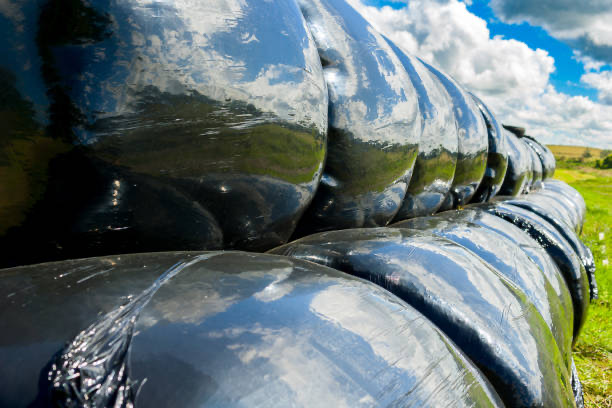
In Australia’s diverse agricultural landscape, silage film has become an essential tool for preserving forage quality and improving farm efficiency. However, its performance and application can vary significantly between regions due to climate, crop types, and storage conditions. This case study compares successful uses of silage film in Northern and Southern Australian farms, providing practical insights for farmers seeking to optimise their silage preservation strategies.
Climate Considerations: The North-South Divide
One of the most significant differences between Northern and Southern Australia is the climate. Northern farms, particularly in Queensland and the Northern Territory, experience higher temperatures, intense sun exposure, and a pronounced wet season. Southern regions, such as Victoria, Tasmania, and South Australia, deal with cooler temperatures, more stable seasonal patterns, and often longer storage times for silage.
In the north, farmers have found that using UV-resistant and thicker-grade silage film reduces the risk of degradation caused by harsh sunlight. Quick sealing after harvest is also crucial to avoid moisture intrusion during sudden rainfall. Conversely, Southern farms often prioritise multi-layer wrapping to maintain anaerobic conditions over extended storage periods, especially when silage is needed to feed livestock throughout the winter.
Northern Australia: Speed and Resilience
A cattle station in Central Queensland provides a prime example of successful silage storage in a challenging environment. The farm produces sorghum silage during the wet season when forage grows quickly. By investing in high-quality, multi-layer silage film with advanced oxygen barrier properties, they were able to reduce spoilage rates from 12% to just under 4% over a two-year period.
The key to their success lay in their ability to process and wrap rapidly. Given the unpredictable weather, the team implemented a streamlined harvesting schedule, ensuring that forage was chopped, compacted, and wrapped within hours. They also used white-on-black film to reflect heat while maintaining the necessary darkness for fermentation.
Southern Australia: Longevity and Quality Control
In Southern Australia, a dairy operation in Gippsland, Victoria, faced the challenge of storing silage for over 12 months due to a seasonal feeding gap. The farmer selected a premium-grade silage film known for its puncture resistance and high stretch capacity, allowing tight wrapping with fewer air pockets.
They also introduced regular quality checks on wrapped bales, inspecting for damage caused by wildlife or handling equipment. By implementing a repair protocol—patching small tears immediately—they were able to reduce aerobic spoilage and maintain consistent feed quality throughout the storage period. This attention to detail paid off, improving milk yields during the critical winter months when fresh pasture was scarce.
Equipment and Handling Practices
In both regions, equipment selection played a vital role in successful outcomes. Northern farmers leaned towards high-speed bale wrappers to keep up with rapid harvesting windows, while Southern farmers used static wrapping stations to ensure multiple film layers and precise sealing.
Proper handling was equally critical. Farmers in both case studies emphasised the importance of avoiding sharp objects near stored bales, maintaining smooth surfaces in storage areas, and positioning bales away from potential water pooling. This prevented damage that could compromise the silage film’s airtight seal.
Lessons Learned: Adapting to Regional Conditions
From these two case studies, several lessons emerge:
- Match film type to climate: UV protection and durability are crucial in the north, while oxygen barrier performance and puncture resistance matter more in the south.
- Timing is everything: Northern farms benefit from speed in wrapping, while Southern farms focus on storage longevity.
- Inspect and repair: Consistent monitoring and immediate repairs preserve feed quality in any region.
- Invest in the right equipment: Regional conditions dictate whether speed or precision takes priority.
The Future of Silage Storage in Australia
As climate patterns shift and feed demands grow, Australian farmers are increasingly turning to innovative silage film technologies. Options like biodegradable films, enhanced oxygen barriers, and colour-coded wraps for crop identification are gaining traction. By learning from both Northern and Southern successes, producers across the country can fine-tune their strategies for better forage preservation, reduced waste, and improved livestock performance.
In the end, whether operating in the heat and humidity of Northern Queensland or the cool, temperate conditions of Southern Victoria, the principles remain the same—choose the right film for your environment, handle it with care, and make timing a top priority. The adaptability of silage film ensures that, with the right approach, Australian farms in any region can secure high-quality feed and boost overall productivity.