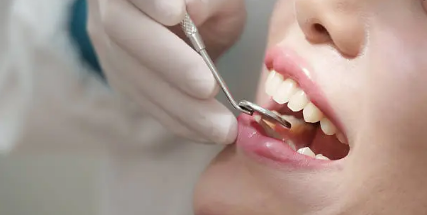
Maintaining consistent oral health is not just about brushing and flossing at home—it also depends heavily on routine professional care. Visiting a Glenelg dentist regularly allows early detection of dental issues before they escalate into painful, expensive emergencies. Many people in coastal suburbs like Glenelg, SA, tend to delay dental visits until discomfort appears, but this reactive approach often leads to more complex treatments.
Regular check-ups help identify cavities, gum disease, enamel erosion, and even early signs of oral cancer. A preventive approach is far more cost-effective than waiting for problems to worsen. In this article, we explore why consistent dental visits matter, what happens during check-ups, and how they protect both your oral health and long-term finances.
Early Detection Prevents Expensive Dental Problems
One of the primary reasons dentists emphasise routine visits is early detection. Many dental conditions develop silently without immediate pain. Cavities, for example, may begin as minor enamel decay but can progress into infections requiring root canal therapy or extraction if left untreated.
A professional cleaning and examination can detect these issues early, enabling simple, affordable interventions. Plaque buildup that hardens into tartar cannot be removed by brushing alone, making professional cleaning essential.
Beyond decay, gum disease is another common issue that progresses gradually. In its early stage (gingivitis), it can be reversed with proper care. However, if ignored, it can lead to periodontitis, which may result in tooth loss.
Preventive dentistry is particularly important for families and working professionals in Glenelg who may have busy schedules. Regular visits reduce the likelihood of sudden dental emergencies that disrupt work and lifestyle.
Preventive Care and Long-Term Oral Stability
Preventive dental care goes beyond cleaning—it includes monitoring bite alignment, checking restorations like fillings or crowns, and evaluating jaw health. These ongoing assessments ensure that small issues are corrected before they become structural problems.
Fluoride treatments and sealants may also be recommended, especially for children and teenagers, to strengthen enamel and prevent decay. Adults benefit as well, particularly those with a history of dental sensitivity or frequent cavities.
Gum Health and Its Impact on Overall Well-being
Gum health is often underestimated, yet it plays a crucial role in overall health. Research has shown links between gum disease and systemic conditions such as heart disease, diabetes, and respiratory infections.
During routine check-ups, dentists assess gum pockets, inflammation levels, and bleeding tendencies. Early-stage gum disease can often be managed with professional cleaning and improved oral hygiene practices.
At this stage of ongoing care, the importance of a trusted Glenelg dentist becomes even more evident, as continuity of care enables better tracking of gum health over time. Consistent records help identify subtle changes that may indicate disease progression.
Patients with chronic conditions or smokers are particularly at risk and benefit greatly from more frequent monitoring. Addressing gum issues early not only preserves teeth but also supports overall systemic health, reducing risks associated with untreated inflammation.
Reducing Dental Anxiety Through Routine Visits
Many people avoid dental visits due to anxiety or previous negative experiences. However, irregular attendance often worsens this fear, as problems become more severe and treatments become more invasive.
Regular check-ups help normalise the dental experience. Patients become familiar with the clinic environment, the dental team, and the procedures involved, reducing stress over time. Most routine visits are quick, painless, and involve preventive care rather than invasive treatments.
Modern dental clinics in Glenelg also emphasise patient comfort through gentle techniques, sedation options for anxious patients, and clear communication about procedures.
By maintaining consistent visits, patients are less likely to require emergency procedures, which are often more stressful and complex. This creates a positive cycle: better oral health leads to fewer invasive treatments, which in turn reduces anxiety about future visits.
Cost Savings Through Preventive Dentistry
One of the most compelling reasons to schedule regular dental check-ups is financial. Preventive care is significantly more affordable than restorative or emergency dentistry.
A Glenelg dentist can also provide personalised advice on oral hygiene habits, diet, and lifestyle factors that impact dental health. This guidance helps patients avoid habits that lead to costly dental issues in the future.
Insurance coverage often covers preventive visits, further reducing out-of-pocket expenses. Over time, patients who attend regular check-ups typically spend far less on dental care than those who only seek treatment during emergencies.
Building a Long-Term Dental Health Strategy
Regular dental visits enable the development of a long-term oral health strategy tailored to each patient. This includes tracking changes in dental structure, planning future treatments, and maintaining existing dental work.
Patients who maintain this routine benefit from predictable care and fewer unexpected complications. It also allows dentists to identify lifestyle factors—such as diet, grinding habits, or oral hygiene gaps—that may be affecting oral health.
Conclusion
Regular dental check-ups are not just a recommendation—they are an essential part of maintaining long-term oral health and avoiding expensive treatments. By visiting a trusted Glenelg dentist, patients gain access to early detection, preventive care, and ongoing monitoring that protects both their health and finances.
Ultimately, consistency is the key. Small, routine visits today can prevent major dental procedures tomorrow, making preventive dentistry one of the most valuable investments in personal health.