Older homes in Adelaide’s established suburbs are full of character, but they often come with hidden costs, outdated layouts, and structural limitations. For many homeowners, the decision to renovate or start fresh is becoming clearer, especially when considering a knock down rebuild approach. Instead of spending heavily on patchwork renovations, more people are choosing to demolish and rebuild a modern home on their existing block.
A knock down rebuild Adelaide project allows homeowners to stay in their preferred location while replacing an outdated dwelling with a custom-designed, energy-efficient home. This growing trend is reshaping suburbs across Adelaide as families look for long-term value rather than short-term fixes.
Understanding the Knock Down Rebuild Advantage in Adelaide
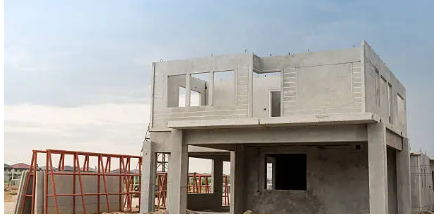
A knock down rebuild is exactly what it sounds like: you demolish an existing house and build a brand-new one on the same land. In Adelaide, this option has become especially attractive in suburbs like Unley, Prospect, Glenelg, and Burnside, where land is valuable and established communities are highly sought after.
One of the biggest advantages is control. Instead of compromising with an old floor plan, homeowners can design a home tailored to modern lifestyles—open-plan living, larger kitchens, better indoor-outdoor flow, and improved energy efficiency.
Another key benefit is cost predictability. Renovations often uncover unexpected issues such as outdated wiring, plumbing failures, or structural damage. These surprises can quickly inflate budgets. By contrast, a rebuild provides clearer cost forecasting and fewer unknowns.
When a Knock Down Rebuild Adelaide Makes More Sense Than Renovation
Choosing between renovation and rebuilding depends on the property’s condition and long-term goals. Many Adelaide homeowners initially explore renovation but eventually realise the limitations of the original structure.
A knock down rebuild Adelaide becomes the better option when:
● The existing foundation is weak or not up to modern standards
● The floor plan cannot be effectively reconfigured
● Renovation costs approach or exceed new build costs
● Energy efficiency upgrades would require extensive reconstruction
In older Adelaide suburbs, homes built in the mid-20th century often lack insulation, have low ceilings, and contain compartmentalised layouts that no longer suit modern living. Instead of repeatedly investing in upgrades, rebuilding offers a clean slate.
Another factor is land value. In high-demand areas, the land itself often holds more value than the house sitting on it. This makes rebuilding a strategic investment rather than an emotional decision. Homeowners can maximise property value while ensuring the design aligns with contemporary expectations.
At this stage, many builders specialising in knock down rebuild Adelaide projects offer integrated services—from demolition permits to architectural design and construction—streamlining the entire process.
The Planning Process Behind a Knock Down Rebuild Adelaide Project
While the concept is straightforward, the process involves several key stages that require careful coordination.
First is the feasibility assessment. This includes checking zoning regulations, council restrictions, and site conditions. Adelaide City Council and surrounding councils may impose specific rules depending on heritage overlays or land use classifications.
Next comes demolition approval and site preparation. Licensed contractors handle safe demolition, asbestos removal (if required), and site clearing.
Once the site is ready, design and construction planning begins. This is where homeowners decide on layout, materials, and architectural style. Many modern Adelaide rebuilds now focus on sustainability, incorporating solar power systems, passive heating design, and water-efficient landscaping.
During this phase, working with specialists in knock down rebuild Adelaide ensures compliance with South Australian building codes while maximising design flexibility.
Construction typically follows a structured timeline: slab, framing, roofing, internal fit-out, and final inspections. Depending on complexity, the entire process can take 8–14 months.
Financial Considerations and Long-Term Value in Adelaide’s Property Market
Cost is often the deciding factor for homeowners considering a rebuild. While upfront costs may appear similar to those of a renovation, the long-term financial benefits often favour rebuilding.
A knock down rebuild Adelaide project eliminates the need for ongoing maintenance associated with older homes. It also improves energy efficiency, which reduces utility bills over time. Modern builds are designed to meet current insulation and energy standards, which can significantly lower heating and cooling costs in Adelaide’s variable climate.
From an investment perspective, new homes in established suburbs tend to attract stronger buyer interest. Buyers are often willing to pay a premium for modern design in a well-located area rather than purchasing an older home that requires immediate work.
Another advantage is stamp duty efficiency. Since you are retaining the land, you avoid the additional costs associated with purchasing a new property elsewhere.
Ultimately, the decision comes down to value optimisation. In many cases, rebuilding delivers a stronger return on investment compared to extensive renovations that still leave structural limitations in place.
Final Thoughts: Is a Knock Down Rebuild Right for You?
For homeowners in Adelaide’s established suburbs, the decision to rebuild instead of renovate is becoming increasingly practical. A well-planned knock down rebuild Adelaide project allows you to stay in your preferred location while upgrading to a modern, efficient, and fully customised home.
As property values continue to rise and renovation costs increase, rebuilding is no longer just a luxury option—it is becoming a strategic housing solution. Whether your goal is long-term family living or increasing resale value, a rebuild offers flexibility that older homes cannot match.