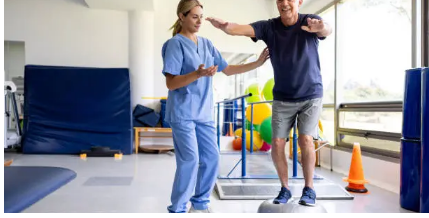
Recovering from a stroke is a complex journey that requires structured rehabilitation, medical supervision, and consistent physical therapy. For individuals in South Australia, accessing physio in Semaphore can make a significant difference in regaining mobility, independence, and confidence after a stroke. Physiotherapy focuses on restoring movement, improving balance, rebuilding strength, and retraining the brain and body to work together again. In Semaphore, SA, stroke survivors benefit from tailored rehabilitation programs designed to meet their specific functional needs, whether they are recovering from mild weakness or significant mobility impairment.
Stroke recovery is not linear, and progress often depends on early intervention, ongoing therapy, and the patient’s overall health condition. With professional guidance, many individuals can regain essential abilities such as walking, dressing, and performing daily tasks. Community-based rehabilitation options in Semaphore also help patients transition from clinical care to independent living.
Understanding Stroke Rehabilitation and Its Goals
Stroke rehabilitation aims to help the brain adapt and form new neural pathways, a process known as neuroplasticity. Physiotherapists play a critical role by designing exercises that stimulate motor recovery and prevent complications such as muscle stiffness, joint contractures, and reduced circulation.
Early-stage rehabilitation often focuses on passive movements and assisted exercises, while later stages shift toward active strengthening and functional training. Balance retraining is also essential, as stroke survivors frequently experience instability and a higher risk of falls.
Access to physio in Semaphore ensures patients receive structured, evidence-based rehabilitation that aligns with their recovery stage. Treatment may include gait training, resistance exercises, functional mobility drills, and aquatic therapy where appropriate. The goal is not only physical recovery but also restoring confidence in movement.
Key Physiotherapy Techniques Used After Stroke
Stroke rehabilitation incorporates several targeted physiotherapy techniques depending on the severity of impairment. Common approaches include task-specific training, in which patients repeatedly practice functional movements such as standing, stepping, or reaching. This helps reinforce motor learning pathways in the brain.
Another important component is strength training, which helps counteract muscle weakness that often affects one side of the body. Stretching exercises are also used to reduce spasticity and improve joint flexibility.
Neuromuscular re-education is another key focus, helping patients regain coordination and control over affected muscles. Therapists may also use balance boards, walking aids, or treadmill-based training to improve gait mechanics.
At this stage of recovery, consistent access to physio in Semaphore can significantly improve outcomes by ensuring exercises are progressively adjusted based on patient progress. This personalised approach helps prevent plateauing and keeps rehabilitation goals realistic and achievable.
The Role of Home Exercises and Daily Movement
In addition to clinic-based sessions, home exercise programs are essential for stroke recovery. Physiotherapists typically prescribe simple, repeatable exercises that reinforce in-clinic progress. These may include seated leg lifts, arm stretches, grip strengthening, and assisted standing exercises.
Daily movement is critical because inactivity can slow recovery and increase the risk of complications, such as muscle tightness and reduced cardiovascular fitness. Even small improvements in daily activity contribute significantly to long-term rehabilitation success.
Patients working with physio in Semaphore are often encouraged to integrate movement into everyday tasks, such as walking short distances, practising transfers from bed to chair, or using household objects for functional training. This integration helps bridge the gap between therapy sessions and real-life independence.
Family involvement is also encouraged, as caregivers can assist with safe exercise practice and provide motivation during recovery. Consistency is key, and even short daily sessions can produce meaningful improvements over time.
Psychological and Emotional Recovery After Stroke
Stroke recovery is not only physical but also emotional. Many individuals experience frustration, anxiety, or depression due to changes in independence and lifestyle. Physiotherapists often work alongside occupational therapists and psychologists to support holistic recovery.
Building confidence through small physical achievements can significantly improve mental well-being. For example, regaining the ability to stand unaided or walk short distances can boost motivation and reduce feelings of helplessness.
Community support in Semaphore, SA, also plays a valuable role. Group rehabilitation sessions and local support networks help stroke survivors feel less isolated and more connected during recovery.
Midway through rehabilitation, continued access to physio in Semaphore ensures that both physical and psychological progress are monitored and supported. This integrated care approach helps patients stay engaged and committed to long-term recovery goals.
Long-Term Recovery and Preventing Secondary Complications
Long-term stroke rehabilitation focuses on maintaining gains and preventing secondary complications such as recurrent stroke, cardiovascular issues, or musculoskeletal decline. Physiotherapists help patients develop sustainable exercise routines that promote cardiovascular health, strength, and flexibility.
Ongoing balance and gait training remain important, especially for individuals at risk of falls. Adjustments to mobility aids may also be required as recovery progresses.
Lifestyle modifications, including improved nutrition, regular physical activity, and stress management, complement physiotherapy efforts. In many cases, patients continue periodic check-ins with their therapist to monitor progress and adjust exercise programs.
Continuing rehabilitation with physio in Semaphore ensures that recovery does not plateau and that patients remain supported as they transition into long-term independence. This continuity of care is especially important for maintaining functional mobility and reducing the risk of relapse or complications.
Building Independence Through Consistent Rehabilitation
The ultimate goal of stroke physiotherapy is to restore independence and improve quality of life. While recovery timelines vary widely, consistent effort and professional guidance can lead to substantial improvements in mobility and function.
Patients are encouraged to stay patient and committed, as neurological recovery often occurs gradually over months or even years. Small milestones should be celebrated, as they represent meaningful progress in the healing process.
By engaging in structured rehabilitation programs and maintaining regular therapy sessions, individuals can significantly enhance their recovery outcomes. With continued support from physio in Semaphore, stroke survivors in Semaphore, SA, are better positioned to rebuild independence, regain confidence, and return to meaningful daily activities.
Stroke recovery is a journey that requires dedication, but with the right physiotherapy approach, long-term improvement is not only possible—it is highly achievable.