Shockwave therapy is increasingly used in Adelaide physiotherapy and sports injury clinics as a non-invasive treatment for chronic pain and soft tissue conditions. Despite its growing popularity, many patients are unsure about what actually happens during a session—from the first consultation to full recovery. Understanding the full shockwave therapy process can help patients make informed decisions and set realistic expectations about outcomes and discomfort levels.
This guide walks through the complete patient journey in Adelaide, from assessment through to post-treatment recovery, so you know exactly what to expect at every stage.
Step 1: Initial Assessment and Diagnosis
The process begins with a comprehensive clinical assessment. In Adelaide physiotherapy clinics, practitioners typically evaluate your medical history, pain patterns, and functional limitations. Conditions commonly considered for treatment include plantar fasciitis, Achilles tendinopathy, patellar tendinopathy, and shoulder calcific tendinitis.
The clinician will also perform physical tests to confirm whether your condition is suitable for shockwave therapy. Imaging, such as ultrasound or MRI, may be reviewed if available, but in many cases, diagnosis is made clinically based on movement assessment and palpation.
This step is crucial because shockwave therapy is not appropriate for all musculoskeletal conditions. The goal is to ensure the treatment targets the correct tissue and is likely to produce meaningful improvement.
Step 2: Treatment Planning and Patient Education
Once eligibility is confirmed, the clinician develops a structured treatment plan. In Adelaide clinics, this usually involves explaining the recommended number of sessions, expected pain levels during treatment, and estimated recovery timelines.
Patients are educated on how shockwave therapy works at a physiological level. The acoustic waves stimulate blood flow, promote tissue regeneration, and help break down chronic calcifications. This biological response is gradual, meaning improvements typically occur over several weeks rather than immediately after one session.
The clinician will also discuss complementary rehabilitation strategies, such as strengthening exercises or load management, to improve long-term outcomes.
Step 3: Preparing for the Session
On the day of treatment, no special preparation is usually required. Patients in Adelaide are advised to wear clothing that allows easy access to the affected area. For example, shorts for knee or ankle treatment or a sleeveless top for shoulder conditions.
The clinician may apply ultrasound gel to improve transmission of the shockwaves into the tissue. The treatment area is then precisely marked based on the most painful or affected structures.
At this stage, the therapist may briefly re-explain what will happen during the shockwave therapy session to reduce anxiety and ensure patient comfort.
Step 4: The Shockwave Therapy Procedure
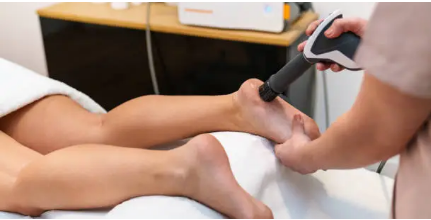
The actual treatment involves a handheld device delivering controlled acoustic pulses to the targeted area. These pulses are applied in a systematic pattern across the affected tissue.
Patients often describe the sensation as a series of rapid tapping or mild pressure bursts. Discomfort levels vary depending on pain sensitivity and the severity of the condition, but the intensity can usually be adjusted in real time.
A standard session in Adelaide typically lasts 10-20 minutes. During this time, the clinician may pause periodically to reassess sensitivity and adjust the device settings.
While shockwave therapy can feel uncomfortable, it is generally well tolerated and does not require anaesthesia or sedation. Most patients can resume normal activities immediately afterwards.
Step 5: Immediate Aftercare and Response
After the session, it is common to experience mild redness, swelling, or tenderness in the treated area. These effects are temporary and usually resolve within 24–48 hours.
Clinics in Adelaide typically advise patients to avoid high-impact activities for a short period, depending on the severity of the condition being treated. Light movement is generally encouraged to support circulation and recovery.
This immediate response is part of the body’s healing cascade triggered by shockwave therapy, where controlled micro-stimulation encourages tissue repair and reduces chronic inflammation over time.
Step 6: Recovery Timeline and Follow-Up Sessions
Improvement is usually gradual. Many patients begin noticing reduced pain and improved function after 2–3 sessions, although full recovery may take several weeks.
A standard treatment plan often includes 3–6 sessions spaced about one week apart. Follow-up assessments allow clinicians to monitor progress and adjust treatment intensity if needed.
In Adelaide physiotherapy settings, shockwave therapy is rarely used in isolation. It is commonly combined with strengthening exercises, mobility work, and load management strategies to help prevent injury recurrence.
Step 7: Long-Term Outcomes and Rehabilitation
Long-term success depends heavily on post-treatment rehabilitation. Patients who actively engage in prescribed exercise programs typically achieve better, more sustained outcomes.
The biological effects of shockwave therapy continue to develop over several weeks, meaning improvements may continue even after the final session. This delayed response is due to ongoing tissue remodelling and collagen production stimulated by the treatment.
Clinicians in Adelaide emphasise that while the therapy is effective for many chronic conditions, maintenance of strength and movement quality is essential to prevent relapse.
Conclusion
Understanding the full shockwave therapy journey helps patients set realistic expectations for treatment. From initial assessment through to rehabilitation, each stage plays a critical role in recovery. In Adelaide clinics, the process is structured, evidence-informed, and designed to support long-term musculoskeletal health.
When used appropriately, shockwave therapy can be an effective non-invasive option for persistent tendon and soft tissue pain, especially when combined with a tailored rehabilitation program.