For Australian farmers, investing in quality silage covers is a strategic decision that directly impacts feed quality and operational efficiency. Silage production is crucial for maintaining consistent livestock nutrition, particularly during dry seasons and unpredictable weather conditions.
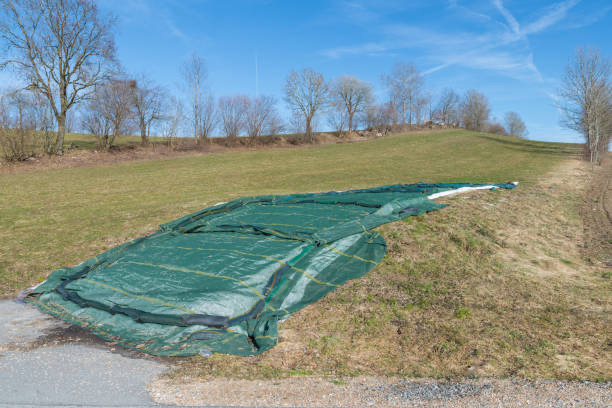
However, without proper protection, silage can suffer significant quality degradation and spoilage, resulting in substantial financial losses. This article explores how investing in silage covers not only preserves feed quality but also reduces losses, supporting farm profitability and sustainability in Australia’s diverse agricultural environments.
The Critical Role of Silage Covers in Feed Preservation
Silage covers serve as a protective barrier that seals the silage pile from air and moisture, two of the biggest enemies of good-quality feed. In Australia’s climate—ranging from the humid subtropical zones in Queensland to the cooler temperate regions of Victoria—controlling exposure to the elements is crucial. When silage is left uncovered or poorly covered, oxygen infiltration leads to aerobic spoilage. This spoilage reduces the nutritional value of silage by promoting the growth of moulds and yeasts, which cause heating and nutrient loss.
High-quality silage covers form an airtight seal, preventing oxygen from penetrating the silage mass. This ensures that the fermentation process occurs under ideal anaerobic conditions, preserving essential nutrients such as proteins, sugars, and vitamins. By maintaining the integrity of the feed, farmers can provide their livestock with more consistent nutrition, improving animal health and productivity.
Economic Benefits of Reduced Feed Losses
Losses due to poor silage management can be substantial, both in terms of quantity and quality. Studies indicate that poorly covered silage can lose up to 30% of its dry matter content due to spoilage. For Australian farmers managing large herds, this translates into thousands of dollars lost each season.
Investing in quality silage covers reduces these losses significantly by minimising exposure to oxygen and rainfall. The cost of high-grade covers is quickly offset by the savings from preserved feed value and reduced need for supplemental feeding. Additionally, silage covers protect against contamination from pests such as birds, rodents, and insects, further preserving feed quality.
Tailoring Silage Covers to Australian Conditions
Australia’s diverse climate zones require silage covers that can withstand various environmental challenges. In coastal areas with high humidity and rainfall, silage covers need to be highly water-resistant and durable against wind damage. In contrast, inland regions with high temperature fluctuations demand covers with strong UV resistance to prevent degradation from intense sunlight.
Modern silage covers available in Australia often incorporate multi-layer technology combining polyethylene films with UV stabilisers and anti-puncture additives. These innovations enhance durability, extending the life of the cover through the entire storage period. When farmers select silage covers suited to their specific climate and operational needs, they maximise feed preservation and minimise waste.
Enhancing Sustainability Through Efficient Feed Management
Investing in quality silage covers also contributes to environmental sustainability—a growing priority for Australian agriculture. By reducing feed losses, farmers use their forage resources more efficiently, lowering the demand for additional feed production. This efficient use of resources reduces the carbon footprint associated with feed cultivation, harvesting, and transportation.
Moreover, minimising spoilage reduces the volume of decomposing organic matter that can emit methane, a potent greenhouse gas. Well-preserved silage also means less frequent feed replacement, resulting in decreased fuel consumption for machinery involved in harvesting and feeding operations.
Practical Tips for Maximising the Benefits of Silage Covers
To fully leverage the advantages of silage covers, Australian farmers should consider these practical steps:
- Proper Application: Ensure the silage covers are applied tightly and securely, eliminating air pockets that encourage spoilage.
- Use of Weights or Clips: Stabilise covers with appropriate weights or edge clips to prevent wind uplift and maintain airtight conditions.
- Routine Inspection: Regularly check covers for tears, holes, or damage and repair promptly to maintain an effective seal.
- Selecting the Right Thickness: Thicker silage covers tend to offer better durability and protection, especially in harsher climates.
- Combine with Bale Wraps: For baled silage, pairing silage covers with high-quality bale wrap enhances overall protection.
Conclusion: A Smart Investment for Australian Farmers
In conclusion, silage covers are not just an accessory but a critical investment for Australian farmers aiming to protect feed quality and reduce losses. By providing a robust barrier against oxygen, moisture, pests, and weather extremes, quality silage covers preserve the nutritional integrity of silage. This directly translates into economic savings through reduced spoilage, improved livestock health, and enhanced operational sustainability.
Given the variable Australian climate and the financial pressures on the agriculture sector, selecting the right silage cover tailored to local conditions is more critical than ever. With proper management, the benefit of silage covers extend beyond the farm gate, contributing to a more efficient and environmentally responsible agricultural industry. For farmers committed to maximising their feed value and profitability, investing in quality silage covers is a confident and forward-thinking choice.