In 2025, Adelaide homeowners stand at the forefront of energy transformation. The solar battery rebate offered by the federal government, when paired with South Australia’s local incentives, is dramatically reducing upfront costs, speeding return on investment, and making battery storage a more accessible solution than ever before.
The Federal Solar Battery Rebate: A Powerful Catalyst
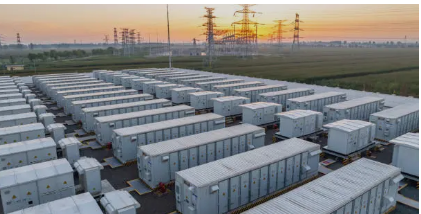
Starting July 1, 2025, Australia launched the Cheaper Home Batteries Program, a $2.3 billion federal initiative delivering about 30% off the upfront cost of installing a solar battery system—typically between 5 kWh and 100 kWh usable capacity. This rebate is delivered via the Small‑scale Renewable Energy Scheme (SRES) through Clean Energy Regulator mechanisms.
- Households can receive around $4,000 or up to A$372 per usable kWh, depending on battery size and eligibility.
- The rebate applies whether you’re installing a new solar system or pairing a battery with an existing one.
- The program is not means-tested and aims to catalyse adoption toward 1 million battery installations by 2030.
With the solar battery rebate, a typical battery installation costing $10,000 could shrink to as low as $6,000, greatly improving financial viability.
South Australia’s Local Incentives: Enhancing Value in Adelaide
South Australia offers additional support that complements the federal rebate:
- Through schemes like the Retailer Energy Productivity Scheme (REPS), qualifying households can receive up to $2,050 in cash rebates when batteries are connected to approved Virtual Power Plants (VPPs).
- Programs such as emPowering SA, in partnership with AGL, aim to deploy government-nominated battery fleets to over 10,000 households, stimulating broader energy sharing and resilience.
These state incentives are designed to work in tandem with the federal solar battery rebate, significantly lowering net costs and encouraging community-scale integration.
Why the Combined Incentives Matter in Adelaide in 2025
Substantial Upfront Savings
By stacking the 30% federal solar battery rebate with SA-specific cash incentives, homeowners in Adelaide can reduce installation costs by thousands, often surpassing half the initial price.
Faster Payback Periods
Federal modelling suggests solar battery owners may save up to A$1,100 annually on power bills, with some households saving as much as A$2,300/year when solar and battery are paired. With SA state programs adding further rebate income, payback can be achieved in as few as 3–4 years or less.
Access to Virtual Power Plants (VPPs)
Adelaide households that connect solar batteries to VPPs are eligible for both federal discounts and state VPP rebates. VPP participation offers ongoing payments, grid support, and further energy bill reductions.
Energy Security and Grid Resilience
With frequent heatwaves and rising electricity prices in South Australia, a combined system enhances household energy independence, reducing reliance on grid power during peak price periods and providing backup during outages.
Key Steps for Adelaide Homeowners to Maximise Savings
Choose Accredited Providers
To qualify for the solar battery rebate under federal rules, systems must be installed by Clean Energy Council (CEC)‑accredited installers and Solar Accreditation Australia–certified installers must use approved battery models.
Select a Supported Battery Size
Federal rebate calculations apply to usable capacity up to 50 kWh. Larger batteries are still eligible, but the rebate value is capped at the first 50 kWh.
Combine with SA’s VPP Rebates
Ensure your installer enrols you in a VPP-compatible service, which unlocks SA’s cash rebate and allows you to stack it with the federal solar battery rebate, ultimately lowering your final cost by thousands.
Plan for Annual Rebate Reductions
The federal solar battery rebate will decline annually until 2030 as battery prices fall—early adoption in 2025 yields maximum benefit.
Compare Retailers and Review Policy Terms
Given rising demand, homeowners should choose reputable installers, ask for detailed cost breakdowns (rebate, cash rebate, VPP payments), and read terms on SA-specific schemes before committing..
Conclusion:
Adelaide residents in 2025 are uniquely positioned to benefit from a harmonious convergence of federal and local energy policies. The solar battery rebate significantly reduces upfront costs, while South Australia’s state-level incentives and VPP programs unlock additional rebates and long-term savings. Together, they make battery storage not just affordable, but a strategic investment in energy independence and grid resilience.
By acting now—with accredited installers and forward-looking plans—Adelaide homeowners can capture maximum value, make a real dent in their power bills, and help build a cleaner, more stable energy future.