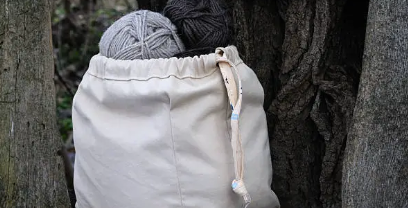
As sustainability becomes a central concern for businesses and consumers alike, the packaging industry in Australia is witnessing a significant transformation. Among the innovative solutions gaining traction are stockinette bags, which offer a versatile, eco-friendly alternative to traditional plastic packaging.
The Shift Towards Sustainable Packaging
In recent years, there has been a heightened awareness around the environmental impact of single-use plastics. Consumers are increasingly seeking products that significantly align with eco-conscious values, prompting businesses to rethink their packaging strategies.
Stockinette bags, traditionally used in industries such as textiles and food storage, are now being repurposed for broader commercial and retail applications. Made from high-quality, reusable fabrics, these bags offer an environmentally responsible alternative to conventional packaging, reducing waste while maintaining functionality.
Understanding Stockinette Bags
Stockinette bags are typically crafted from cotton, polyester, or a blend of synthetic and natural fibres. The material’s soft, flexible structure makes it ideal for packaging delicate items, from clothing and accessories to produce and small household goods. Unlike rigid packaging solutions, stockinette bags can conform to the shape of their contents, offering superior protection with minimal material usage.
In Australia, these bags are increasingly used in boutique retail, e-commerce, and specialty food sectors. Their lightweight nature also translates to lower shipping costs and reduced carbon footprint, making them an appealing choice for businesses committed to sustainability.
Environmental Advantages of Stockinette Bags
One of the primary reasons for the rise of stockinette bags is their environmental benefit. Unlike single-use plastics, stockinette bags are reusable, durable, and often biodegradable, depending on the material used.
Reduction of Plastic Waste: By substituting plastic bags with stockinette alternatives, businesses can significantly reduce the volume of plastic waste that ends up in landfills and oceans.
Reusability and Longevity: Stockinette bags are designed for repeated use. Consumers can repurpose them for storage or shopping, extending the lifespan of a single bag far beyond its initial use.
Biodegradable Options: For example, cotton stockinette bags decompose naturally over time, reducing environmental pollution compared to synthetic alternatives.
These benefits not only support environmental sustainability but also enhance a company’s brand image, positioning them as responsible and forward-thinking in the eyes of eco-conscious consumers.
Practical Applications Across Industries
The versatility of stockinette bags has made them a favourite across multiple Australian industries.
Retail and Fashion: Clothing stores often use stockinette bags as gift packaging or garment covers. Their soft fabric protects delicate items while providing an elegant presentation.
Food and Produce: Specialty food retailers, farmers’ markets, and organic produce suppliers increasingly opt for stockinette bags as an effective alternative to plastic or paper packaging. These bags allow for ventilation, keeping fruits and vegetables fresh longer.
E-commerce: With the continuous growth of online shopping, businesses are seeking packaging that is both protective and eco-friendly. Stockinette bags provide a lightweight, protective solution that appeals to environmentally conscious buyers.
By adapting stockinette bags across these sectors, Australian businesses are demonstrating that sustainability and practicality can go hand in hand.
Customisation and Branding Opportunities
Beyond their environmental benefits, stockinette bags offer significant marketing advantages. Businesses can customise these bags with logos, brand colours, or promotional messages, transforming packaging into a branding tool. Unlike conventional plastic bags, which are often discarded, stockinette bags are retained and reused by customers, creating long-term brand exposure.
Custom-printed stockinette bags also allow businesses to differentiate themselves in competitive markets. For example, boutique retailers and artisanal producers can elevate the perceived value of their products through stylish, eco-friendly packaging, creating a premium customer experience.
Economic Benefits for Businesses
Investing in stockinette bags can also make economic sense in the long term. While the initial cost may be higher than disposable plastic alternatives, the durability and reusability of these bags reduce recurring packaging expenses. Additionally, as governments in Australia introduce stricter regulations on single-use plastics, adopting stockinette bags now can help businesses avoid potential fines or compliance costs in the future.
Conclusion:
Stockinette bags represent a practical and sustainable solution for Australian businesses seeking to reduce their environmental impact while enhancing brand image. Their durability, versatility, and eco-friendly nature make them an attractive alternative to single-use plastics, appealing to both companies and consumers committed to sustainability.
As the strong demand for environmentally responsible packaging continues to grow, stockinette bags are poised to play a pivotal role in Australia’s journey toward a greener, more sustainable future.